Construction, infrastructure and industrial projects can create impacts that are easy to describe on paper but harder to control on a live site. Dust moves beyond a work area. Waste gets mixed. Monitoring records are missed. A permit condition is understood differently by the consultant, contractor and client.
An environmental consultant helps close those gaps. The job is not simply to prepare a report. It is to turn environmental requirements into instructions, checks and records that project teams can use.
What does an environmental consultant actually do?
The exact scope depends on the project, but the work usually sits between technical assessment, regulatory documentation and site implementation. A consultant may review a proposed activity, identify likely environmental effects, recommend controls and then check whether those controls are working.
That often involves several connected tasks:
- reviewing project information and environmental risks;
- preparing or supporting environmental studies and management plans;
- organising permit-related submissions and supporting documents;
- planning monitoring for dust, noise, water, waste or other relevant issues;
- carrying out site inspections and recording observations;
- tracking corrective actions until they are closed;
- helping project teams keep an evidence trail for audits and client reviews.
Environmental assessments before work starts
Early assessment matters because design and planning decisions are usually easier to change before construction begins. Consultants review the site, nearby receptors, proposed activities and likely sources of impact. The aim is to identify what could go wrong and decide how each risk will be prevented, reduced or monitored.
A good assessment should lead to practical decisions. It may affect where materials are stored, how wastewater is handled, when noisy work takes place, what monitoring is needed, or which incidents must be reported.
Turning permit conditions into a site plan
Permit documents and environmental commitments can contain many individual requirements. Site teams need those requirements translated into responsibilities. Who will inspect the waste area? How often will monitoring take place? Which record proves that a control was completed? What happens when a result is outside the expected range?
This is where an environmental management plan becomes useful. It should assign owners, set inspection frequencies, define evidence and explain the response to a non-conformance. A plan that only repeats broad environmental promises will not help a busy project team.
Monitoring, inspections and evidence
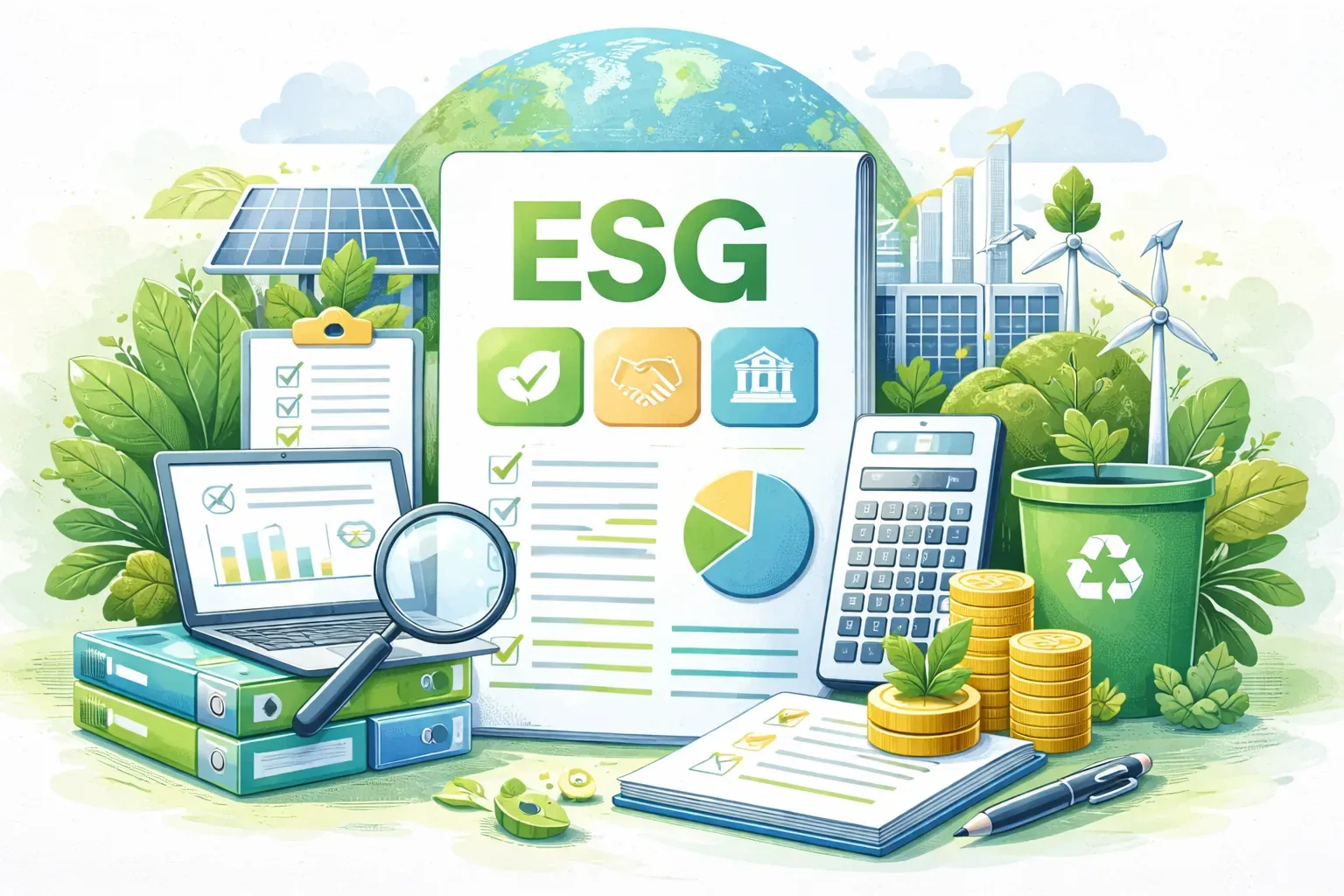
Environmental performance cannot be judged from a policy statement alone. It needs records. Depending on the project, those records may include monitoring reports, inspection checklists, waste transfer documents, photographs, training logs, calibration certificates, incident reports and corrective-action registers.
Consultants review this evidence for two reasons. First, it shows whether controls are working. Second, it helps the project explain its performance during a client review, authority inspection or internal audit.
Using maps and location data
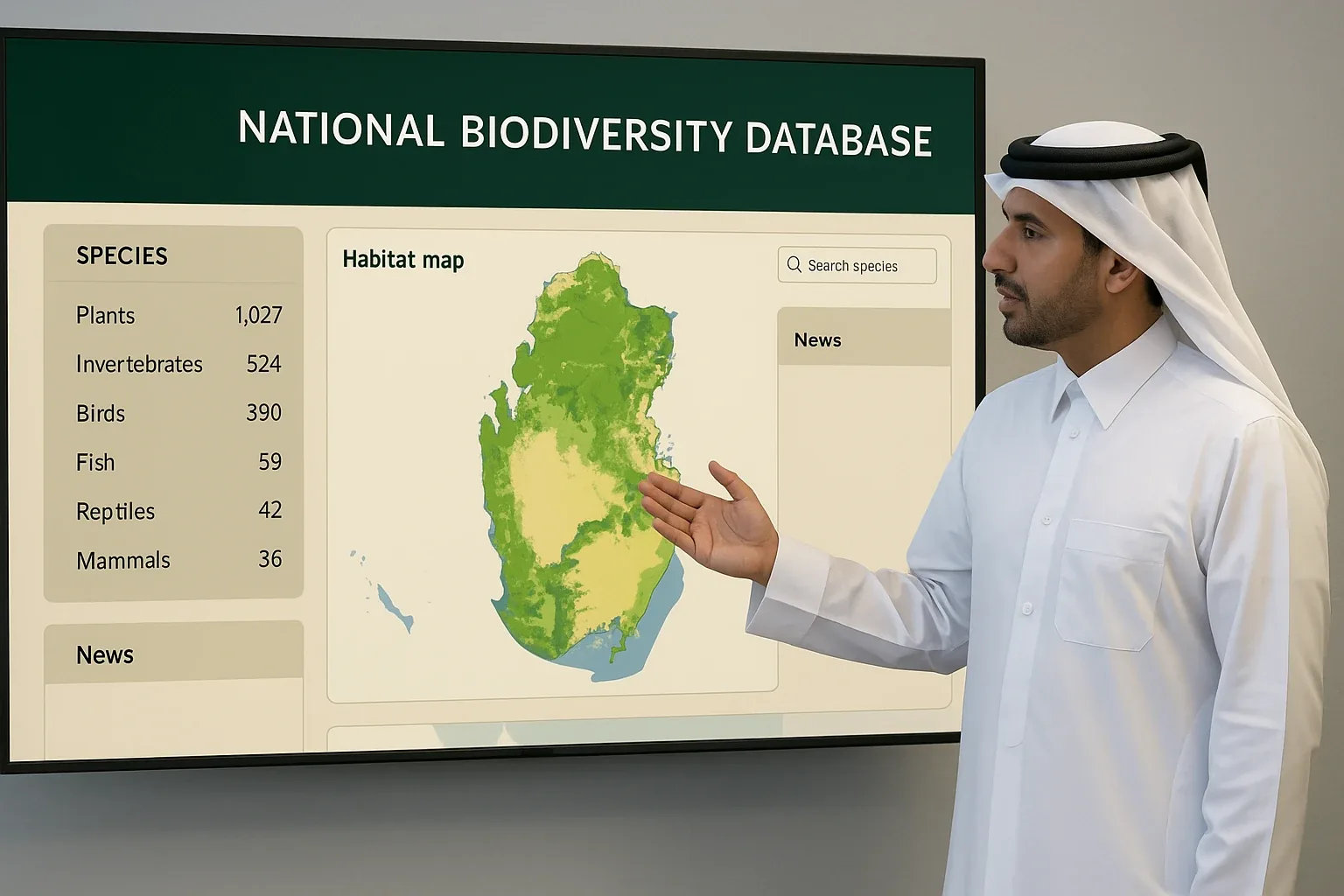
Location is important in environmental work. Mapping can show the relationship between a site and nearby homes, roads, water features, sensitive habitats or monitoring points. It can also help teams compare results from different areas and see whether an issue is isolated or spreading.
The tool is useful only when the underlying information is reliable. Clear coordinates, dates, sampling methods and site references matter more than a visually impressive map with weak data behind it.
Common challenges on active projects
The hardest problems are often operational rather than theoretical. Different contractors may use different forms. Responsibilities can be unclear. A control may be installed but not maintained. Records may exist in several folders with no consistent naming system.
Consultants help by setting a simple routine: define the requirement, assign an owner, collect evidence, review the result and close any action. That routine makes environmental management easier to follow and easier to verify.
What to look for when appointing a consultant
Relevant technical knowledge matters, but communication matters too. The consultant should be able to explain requirements in plain language, distinguish a major risk from a minor housekeeping issue, and produce records that the project team can maintain after the consultant leaves the site.
Before appointing anyone, ask what will be delivered, how often the site will be visited, which monitoring is included, who owns each action and how urgent issues will be escalated. A clear scope prevents gaps later.
Final point
Environmental consultants are most useful when they are involved before problems become incidents. Their work connects assessment, permits, controls, monitoring and evidence. When those parts are managed together, environmental requirements become part of normal project delivery rather than a separate file prepared only for an inspection.
For project-specific support in Qatar, discuss the required scope with a qualified local environmental consultancy and confirm which studies, approvals and monitoring duties apply to the site.