1. Vigorous Exercise After Meals

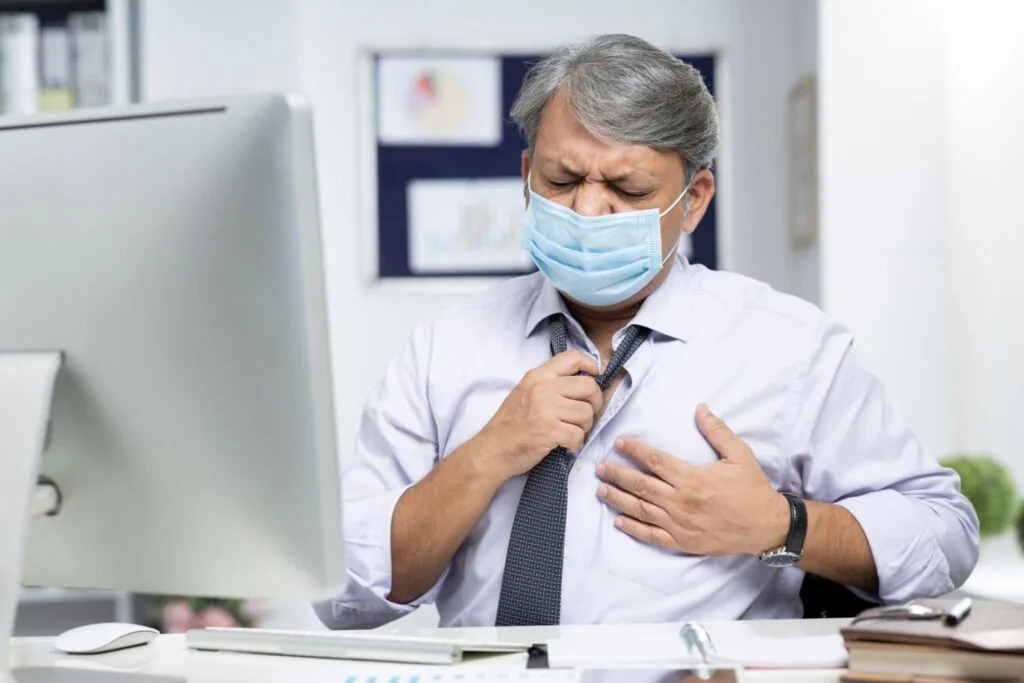
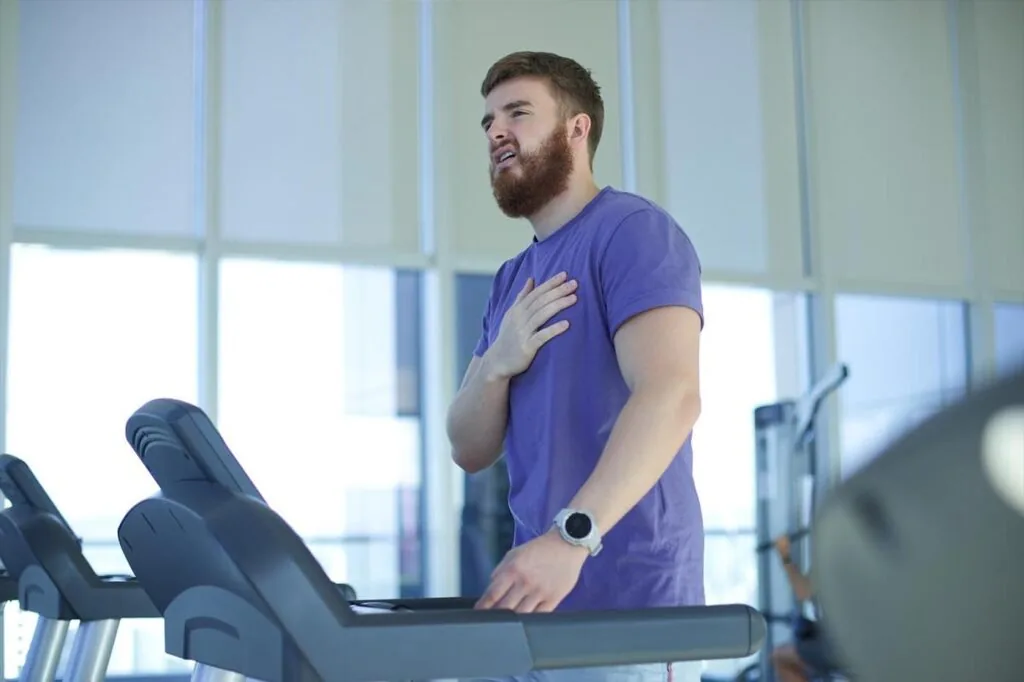
Working out strongly instantly after a meal can be destructive to food digestion. When you work out, your body diverts blood flow far from your digestive system towards your muscles. This shift in blood circulation can result in pain, abdominal discomfort, and indigestion. To promote smoother food digestion and avoid these problems, it's suggested to wait at least one hour after consuming before engaging in exercise. During this time, your body can concentrate on breaking down the food you've taken and efficiently absorbing its nutrients. So, kick back after your meal and conserve your gym session or laborious activities for later.
2. Drinking Plenty of Water
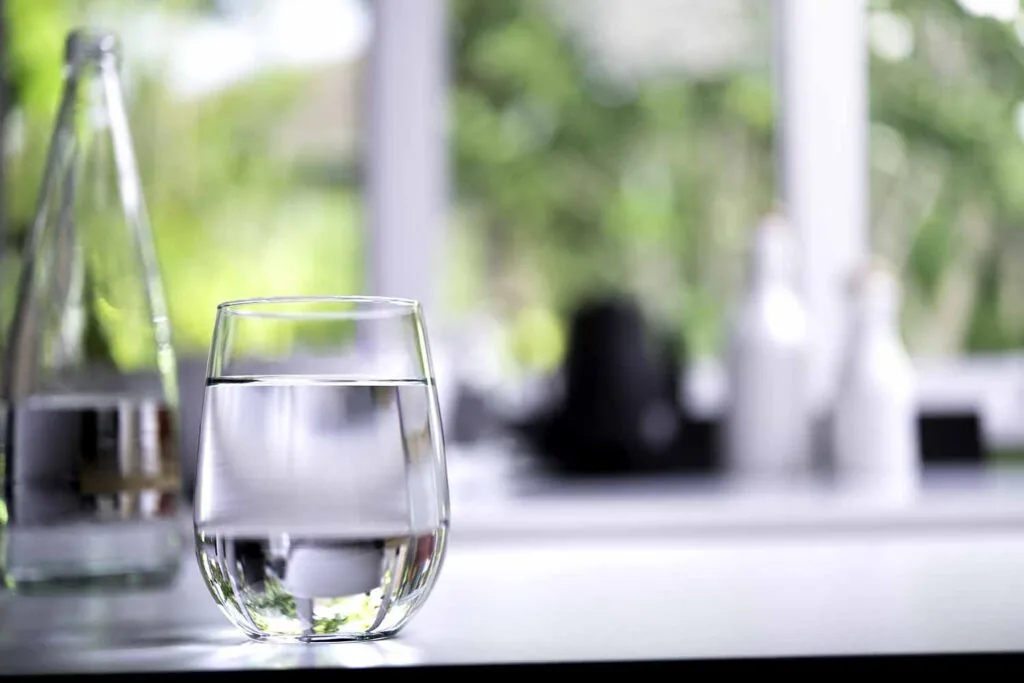
Remaining adequately hydrated is important for overall health, but be cautious about taking in copious quantities of water immediately after a meal. Doing so can dilute stomach acids, possibly hindering food digestion. These acids play an essential role in breaking down food. Instead, consider sipping small amounts of water throughout your meals to help digestion. You can likewise enjoy a complete glass of water around half an hour after eating.
3. Prevent Resting

Resting right after a meal can lead to pain, heartburn, and acid reflux. It's best to remain upright for at least 2 to 3 hours following your meal. Maintaining an upright or standing position helps food relocate through the esophagus and prevents stomach acids from receding into the esophagus, reducing the threat of heartburn and acid reflux. Choosing an upright or a little reclined posture can add to more comfortable digestion.
4. Refrain from Consuming Coffee Right Away

Coffee and tea, consisting of caffeine, can hinder the absorption of vital minerals and nutrients, especially iron and calcium. Avoiding coffee or tea immediately after consuming is a good idea to enhance nutrition absorption. Waiting about an hour post-meal before taking pleasure in these beverages can help with much better digestion and nutrient usage.
5. Do Not Skip Dental Care
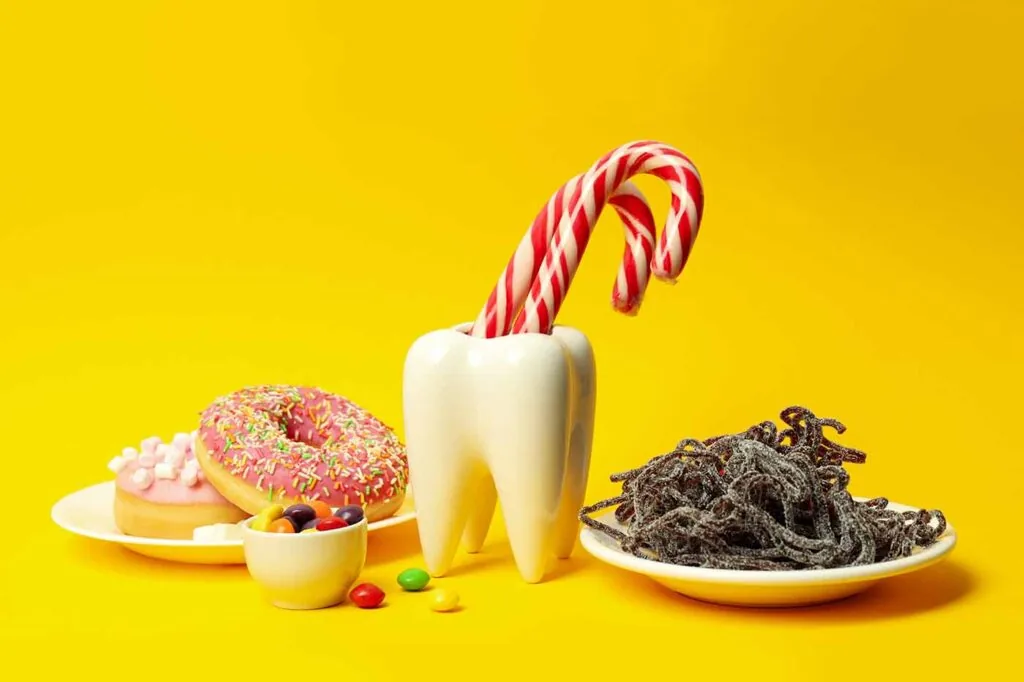
Neglecting oral hygiene after consuming can significantly affect your oral health. Food particles trapped in between teeth can add to cavities and gum illness. To protect your teeth and gums, make it a routine to brush and floss after consuming. This regimen will successfully remove food debris and avoid the development of plaque.
Being mindful of your post-meal habits can improve food digestion and total wellness. Avoiding energetic exercise, excessive water consumption, lying down, consuming coffee right away, and disregarding dental care can help you preserve better digestion health and guarantee the well-being of your teeth and gums.
Exercising strongly instantly after a meal can be detrimental to food digestion. Remaining adequately hydrated is essential for overall health, but be careful about taking in massive amounts of water immediately after a meal. Instead, drink small amounts of water throughout your meals to help digestion. Lying down right after a meal can lead to discomfort, heartburn, and acid reflux. It's best to remain upright for at least two to 3 hours following your meal.